When it comes to protecting commercial buildings, the terms fire compliance and fire safety are often used interchangeably.
While they’re closely connected, they aren’t quite the same thing.
Understanding the difference can help building owners and facility managers take a more complete approach to protecting their properties, occupants and operations.
What Is Fire Compliance?
Fire compliance refers to meeting the applicable legislation, regulations, standards and certification requirements relating to a building’s fire protection systems.
In NSW, this includes obligations around maintaining essential fire safety measures and arranging the assessments required for Annual Fire Safety Statements. Compliance activities may include scheduled inspections, testing, maintenance, record-keeping and rectification of identified defects.
The goal is to demonstrate that the building’s required fire safety measures meet their applicable performance standards.
What Is Fire Safety?
Fire safety takes a broader view. It’s about ensuring that the systems, procedures and physical measures designed to protect people and property are effective when an emergency occurs.
This includes considering how fire and smoke may spread through a building, how occupants can evacuate safely and whether essential fire protection systems will perform as intended.
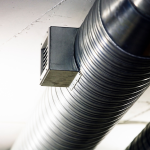
For example, mechanical fire protection systems such as fire dampers, smoke exhaust systems and stair pressurisation systems play important roles in helping contain fire and smoke and supporting safer evacuation.
Why the Difference Matters
A building may have completed its required inspections and documentation, but fire safety still requires ongoing attention.
Equipment can deteriorate, building layouts can change and modifications to ventilation or mechanical systems can affect the performance of existing fire protection measures.
This is why fire compliance should be viewed as an ongoing responsibility rather than simply an annual administrative task.
Compliance provides the framework. Fire safety is the outcome that framework is designed to support. Both are essential to effective building management.
Bringing Compliance and Safety Together
For commercial property owners and managers, a proactive approach means looking beyond inspection deadlines and considering the ongoing condition of the building’s fire protection systems.
This involves:
- Maintaining regular inspection and testing schedules
- Addressing identified defects promptly
- Keeping accurate maintenance and compliance records
- Reviewing fire protection systems following building modifications
- Engaging appropriately qualified specialists for testing, maintenance and rectification
By bringing these activities together, building owners can better manage compliance obligations while supporting the ongoing safety of their buildings.
Effective fire protection isn’t just about having the right systems installed. It’s about making sure those systems remain suitable, maintained and ready to operate.
Coral Fire works with building owners and facility managers throughout Sydney, providing specialist mechanical fire protection services to support ongoing compliance and building safety.
Whether you’re reviewing your current maintenance arrangements or addressing an identified mechanical fire protection issue, Coral Fire can help you understand the next steps.
Talk to our team about keeping your mechanical fire protection systems performing as intended.