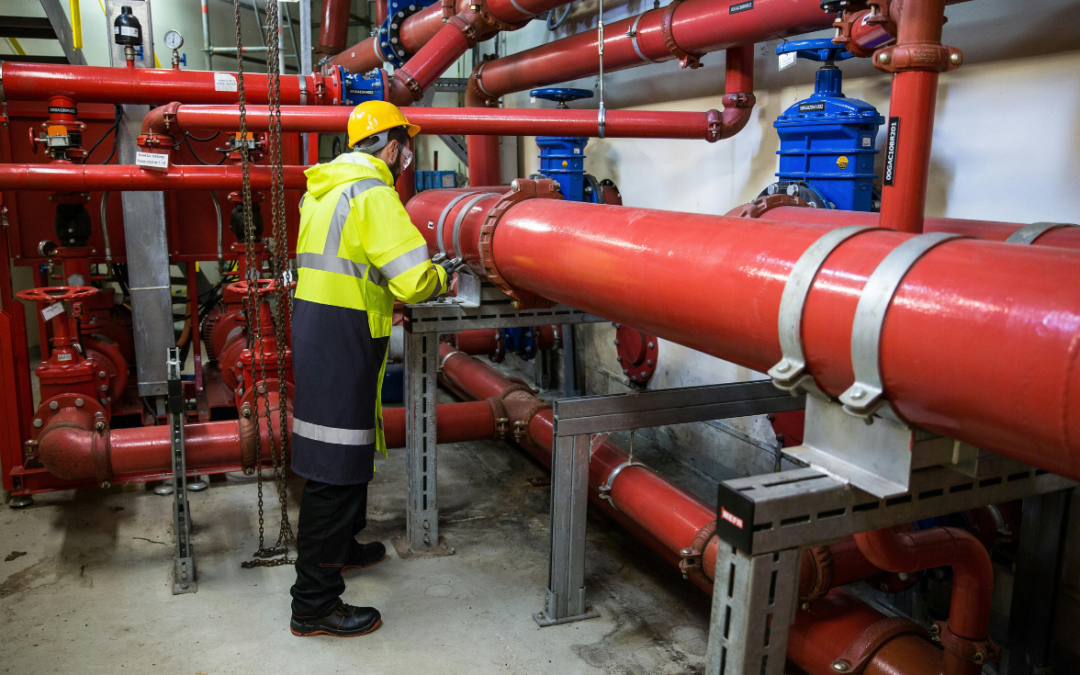
Fire protection systems are designed to perform in critical moments. but like any mechanical system, they only work effectively if they are properly maintained.
In commercial buildings, routine maintenance isn’t just good practice – it’s a compliance requirement and a key part of protecting people, property, and operations.
What Does Routine Fire System Maintenance Involve?
Commercial fire protection systems are made up of multiple interconnected components, including fire dampers, smoke control systems, stair pressurisation systems, and mechanical ventilation systems.
Routine maintenance goes beyond basic checks. It typically includes:
- Scheduled inspections and testing of essential fire safety measures
- Functional testing to confirm systems operate as designed
- Identification and rectification of faults or wear
- Detailed reporting and record-keeping for compliance
- Ongoing servicing aligned with legislative requirements
A structured maintenance program ensures systems are not only operational, but consistently performing as intended.
A Structured Approach to Maintenance
Effective fire system maintenance is not one-size-fits-all. Each building has different requirements based on its size, design, and usage.
A well-managed maintenance program should include:
- Custom maintenance plans tailored to your building and systems
- Regular inspection and testing intervals, typically aligned with current legislation (often 3-monthly)
- Scheduled service reminders to ensure compliance deadlines are not missed
- Detailed reporting and record-keeping to support audits and certification
This proactive approach helps ensure your building remains compliant while reducing risk and extending the life of your systems.
Why Maintenance Is So Important
- Compliance with Australian Standards
With the introduction of mandatory AS 1851-2012 compliance requirements, building owners and managers are responsible for ensuring all essential fire safety measures are regularly inspected, tested, and maintained. - Systems Must Perform When It Matters Most
Fire systems are rarely used, but when they are, they must perform immediately and reliably. - Reducing Risk and Extending Equipment Life
Over time, dust, wear, and system changes can impact performance. Without regular maintenance, small issues can escalate into major failures.
The Importance of Documentation and Reporting
Maintenance is not just about physical servicing, it’s also about maintaining accurate records.
Detailed reporting and record-keeping supports AFSS certification, provides evidence of compliance and ensures transparency for audits and inspections.
For property owners, strata managers, and facility managers, this documentation is a critical part of meeting regulatory obligations.
If you’re unsure whether your fire protection systems are up to date or compliant, Coral Fire can assist with tailored maintenance programs, scheduled servicing, and detailed reporting. Get in touch with our team to arrange a review of your building’s fire systems.